
5 Aug 2026
How traumatic brain injury assessments help determine recovery and future needs
A traumatic brain injury (TBI) can occur in a matter of seconds, though its effects can last for months, years or, in some cases, for a person’s entire lifetime. Whether caused by a road traffic collision, workplace accident, sporting incident or fall, brain injuries are amongst the most complex injuries medical professionals assess.
What is a traumatic brain injury?
A traumatic brain injury (TBI) occurs when an external force causes damage to the brain. It may happen following a direct impact to the head, sudden movement causing the brain to shift within the skull, or an object penetrating the skull.
Common causes include road traffic collisions, falls or workplace accidents, or in some cases, sporting injuries or assaults. Because the brain controls movement, communication, memory, emotions and behaviour, the effects of a TBI influence almost every area of daily life. The challenge is that unlike many other physical injuries, the impact of a TBI is not always immediately visible, and symptoms can develop gradually or change over time.
Because of this, a thorough traumatic brain injury assessment is important for individuals, to help identify the treatment, rehabilitation and support needed to maximise recovery.
Then, at the same time, the independent medical assessments provide vital evidence regarding the cause of an injury, its severity, prognosis and the impact it may have on someone’s future - something which is absolutely critical for legal professionals.
Why is accurate assessment critical?
Unlike visible injuries, brain injuries can sometimes be difficult to identify, especially as an individual may appear physically well while experiencing difficulties with memory, concentration, fatigue, mood or everyday activities.
This is where a detailed assessment is needed to help medical experts:
- Understand the nature and severity of the injury
- Determine whether symptoms are consistent with the reported incident
- Assess recovery expectations and prognosis
- Identify rehabilitation requirements
- And to understand the impact on independence, work and quality of life
As, without accurate assessment, individuals may not receive the appropriate support, and legal professionals may not have a complete understanding of the injury’s long-term consequences.
What are the different types of traumatic brain injuries?
TBIs are generally classified according to severity and the impact they have on neurological function. Understanding the cause and impact of the injury is essential when determining the most appropriate rehabilitation pathway.
For example, mild traumatic brain injuries and concussion are the most common form of brain injury. However, “mild” does not always mean that symptoms should be underestimated, as individuals who experience the anything from headaches, dizziness and fatigue, all the way through to memory difficulties, reduced concentration and sleep problems, may also be diagnosed as suffering symptoms of a TBI.
Moderate traumatic brain injuries, however, involve greater neurological disruption and may result in longer-lasting difficulties affecting areas such as cognition, communication, movement and emotional wellbeing. These sorts of TBIs often require support from a range of specialists, including neurologists, neuropsychologists, physiotherapists and occupational therapists. Severe traumatic brain injuries can result in significant and permanent changes to physical, cognitive and emotional abilities, meaning individuals may require extensive rehabilitation and, in some cases, long-term support to help maximise independence and quality of life.
And finally, we have acquired brain injuries, which unlike traditional injuries caused by external trauma, involve damage to the brain which has occurred after birth from a variety of causes, such stroke or oxygen deprivation.
How do medical experts conduct a traumatic brain injury assessment?
A comprehensive traumatic brain injury assessment involves far more than reviewing scans or confirming a diagnosis. Medical experts must build a complete picture of how the injury occurred, how it has affected the individual and what their recovery is likely to look like in the months and years ahead.
Typically, the process begins with a detailed review of the individual's medical history, including emergency treatment records, hospital notes, imaging results, rehabilitation records and the circumstances surrounding the incident itself. All of which help experts understand how the injury developed and whether the symptoms being reported are consistent with the mechanism of injury.
This is then followed by a thorough clinical and neurological examination, whereby specialists assess physical and neurological function by looking at movement, balance, coordination, reflexes, sensation, speech, communication and cognitive ability. This allows them to determine the severity of the injury while identifying any ongoing neurological difficulties that may continue to affect the individual.
However, because traumatic brain injuries often affect much more than physical function alone, many individuals will also undergo a neuropsychological assessment, which explores areas such as memory, concentration, problem-solving, decision-making, emotional regulation and behavioural changes.
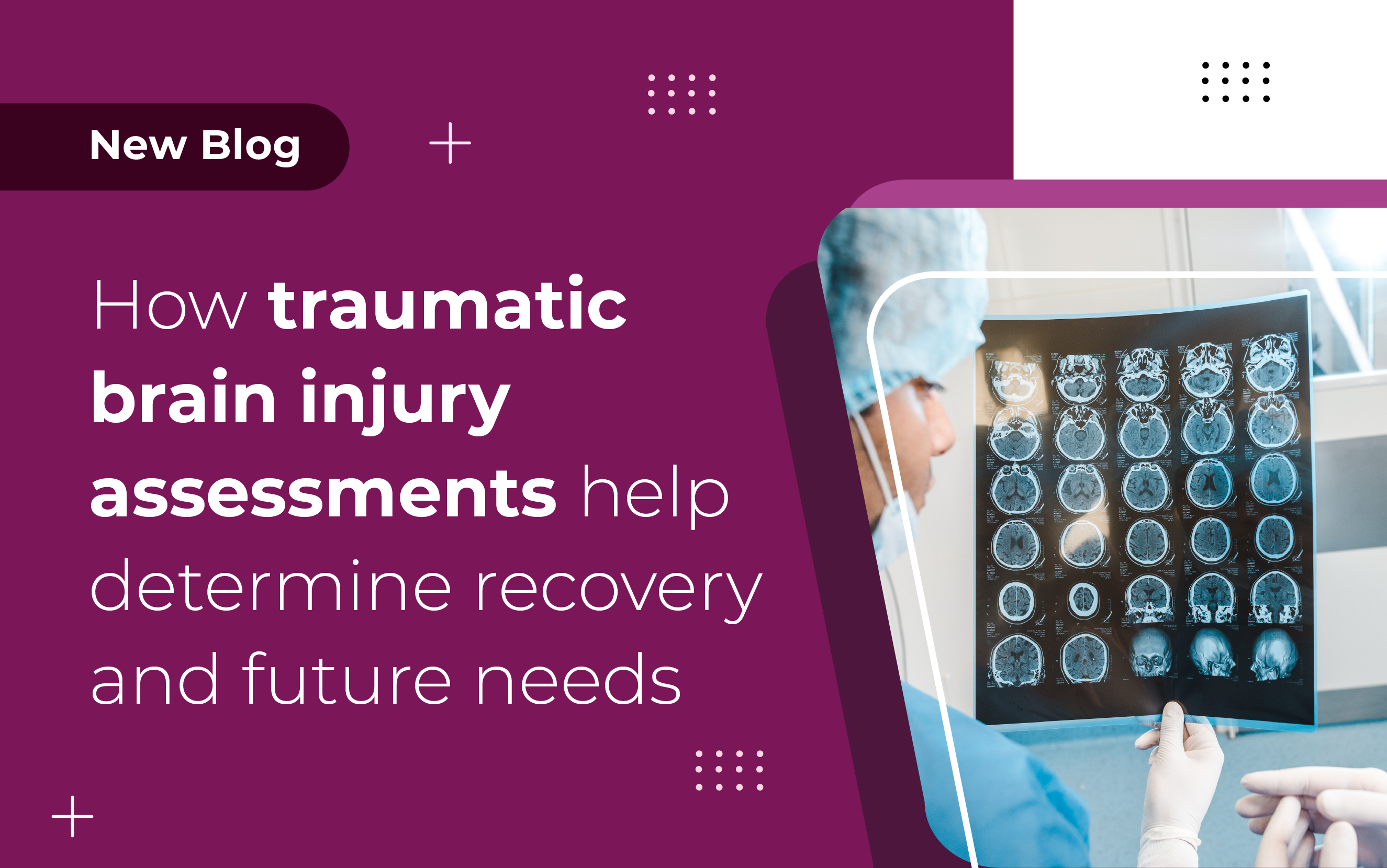
What’s more, medical experts will also review any available CT or MRI scans to identify structural damage to the brain. Whilst imaging alone rarely provides the full picture, specialists will always consider scan findings alongside the individual's symptoms, clinical examination and functional limitations, enabling them to reach a balanced and evidence-based opinion about the overall impact of the injury.
Because of this, these types of assessments are particularly valuable because they can identify cognitive difficulties that may not be immediately obvious during a routine medical examination but can still have a significant impact on everyday life, employment and relationships.
What does a medico-legal expert look for?
When preparing an independent medical report, a medico-legal expert looks far beyond the diagnosis itself, carefully considering how the injury has affected the individual's life both now and in the future.
For example, one of the first considerations is causation, whereby the expert determines whether the traumatic brain injury and the symptoms being experienced are consistent with the reported incident and whether there is a clear medical link between the two.
They will then assess the severity of the injury by reviewing neurological findings, clinical symptoms and the extent of any functional limitations before providing an opinion on prognosis, whilst also considering the individual's recovery so far, the treatments already received and the likelihood of future improvement.
Then, just as importantly, experts assess the wider impact of the injury on everyday life and consider whether the individual can safely manage daily activities, maintain relationships, drive, return to work or continue in their previous occupation.
At the same time, experts will also identify whether adjustments, ongoing rehabilitation or long-term support may be required. This means that by looking at the individual as a whole rather than focusing solely on the diagnosis, they can provide clear, objective evidence that helps ensure rehabilitation recommendations reflect the person's real-life needs.
Why do ongoing symptoms matter?
Although many people recover well following a traumatic brain injury, others continue to experience symptoms long after the initial incident. These ongoing difficulties can have a significant impact on confidence, independence, employment and overall quality of life.
Because of this, identifying future needs forms an essential part of any traumatic brain injury assessment, as medical experts may recommend further physiotherapy, occupational therapy, psychological support, specialist neurological input, long-term rehabilitation or future treatment where appropriate.
But it also means that through recognising these requirements early, individuals are more likely to receive the support they need, helping to improve recovery and maximise long-term outcomes.
The role of independent medical reports
Independent medical reports play a vital role in helping legal, healthcare and insurance professionals understand the full impact of a traumatic brain injury.
For solicitors, they provide objective medical evidence to support personal injury claims, while for the courts they offer an independent opinion on the severity of the injury, likely prognosis and future care requirements.
But most importantly, for claimants, these reports help ensure the true impact of the injury is recognised, allowing appropriate rehabilitation, treatment and ongoing support to be considered throughout the recovery journey.
Supporting recovery after traumatic brain injury
At Speed Medical, we understand that every traumatic brain injury is unique. So, we work with legal, healthcare and insurance professionals to provide access to experienced medical experts who deliver thorough assessments and clear, evidence-based reports.
From determining the severity of an injury and recommending appropriate rehabilitation, through to assessing long-term prognosis and future support needs, we believe that accurate medical reporting plays a vital role in ensuring individuals receive the care they need while helping legal professionals make informed decisions.
After all, while a traumatic brain injury can happen in an instant, recovery is rarely straightforward, and achieving the best possible outcome depends on expert assessment, carefully planned rehabilitation and the right support at every stage.
For more information or to run through any questions about traumatic brain injury rehabilitation with our teams, please visit Speed Medical, contact us via email at info@speedmedical.com or call 0330 094 8749 – we’re here to help.